 (800) 332-2866
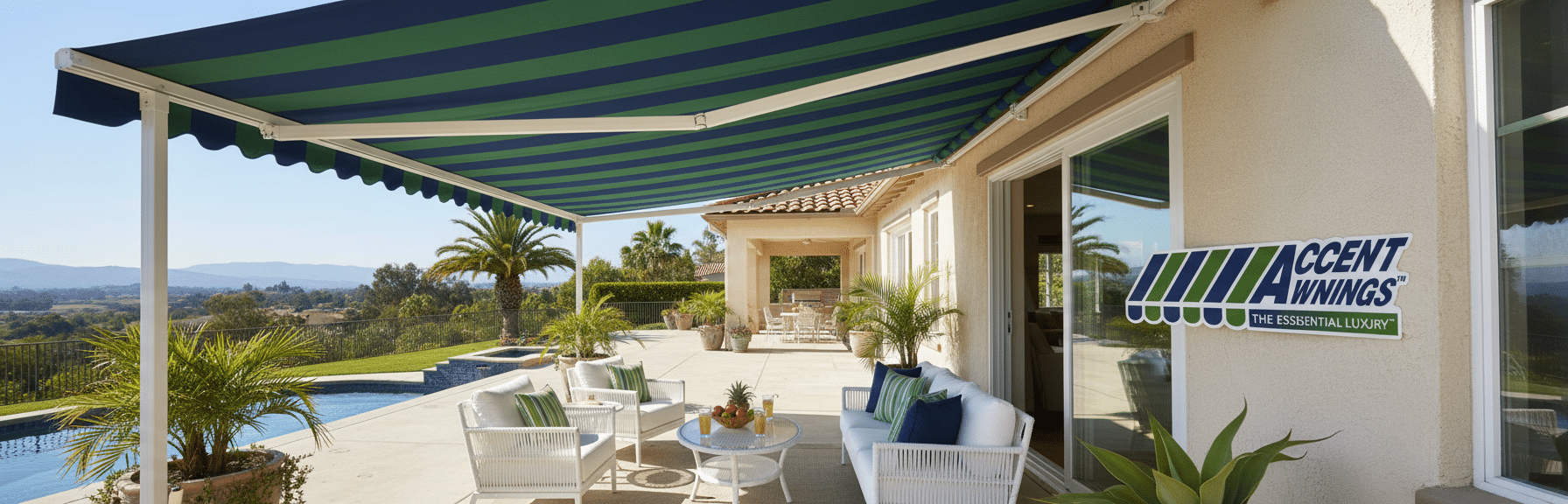
How to Choose the Perfect Awning: A Step-by-Step Installation and Maintenance Guide
Assess Your Space and Determine Your Awning Needs
Before selecting an awning, carefully evaluate the area you intend to cover and identify your specific objectives. Start by measuring the width and projection of the space where you want shade, noting the mounting surface above doors, windows, or patios. Consider whether you need protection from morning sun, afternoon heat, or both, as this influences awning placement and size. In Santa Ana’s climate, western and southern exposures receive the most intense sunlight, requiring larger coverage areas or higher UV-resistant fabrics.
Examine the architectural style of your property to ensure your awning complements existing design elements. Traditional homes pair well with classic striped patterns and scalloped edges, while contemporary architecture benefits from clean lines and solid colors. Document any obstacles like light fixtures, gutters, or overhead power lines that might affect installation. Take note of typical wind patterns in your neighborhood, especially if you live near coastal areas where stronger gusts occur regularly.
Identify your primary use case: entertaining guests, protecting outdoor furniture, reducing indoor cooling costs, or creating usable space during peak sun hours. Each purpose may require different awning features, such as adjustable pitch for water runoff during rare rain events or motorized controls for convenient daily operation. Understanding these needs upfront prevents costly modifications after installation and ensures your investment delivers the functionality you expect year-round.
Compare Awning Styles and Select the Right Type
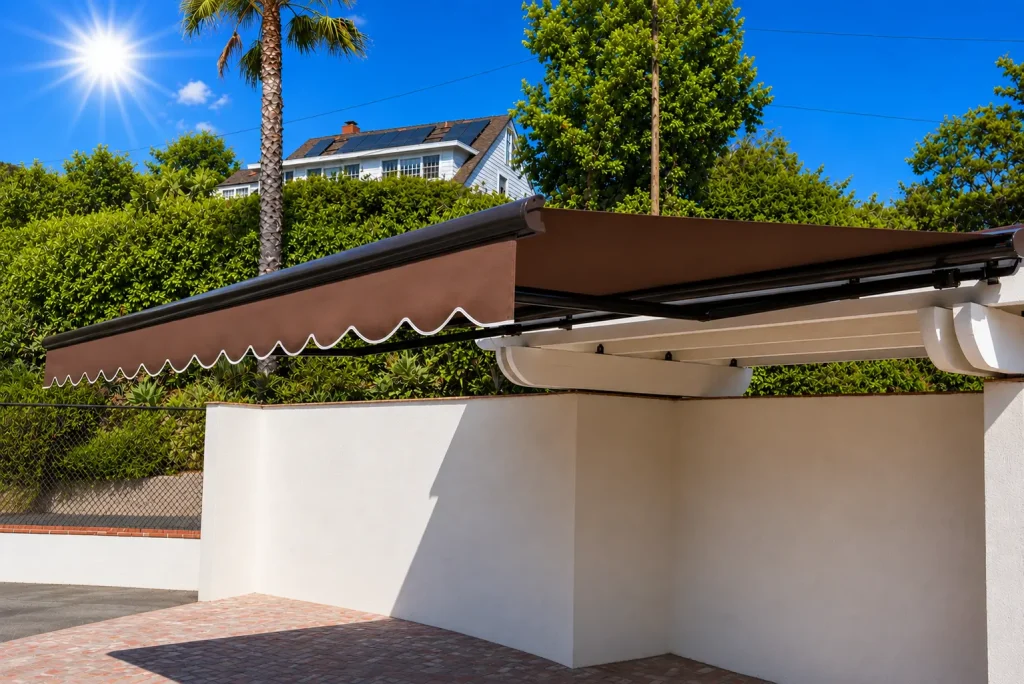
Retractable awnings provide flexibility for changing weather conditions, allowing you to extend coverage during hot afternoons and retract the fabric when you want natural sunlight or during windy conditions. These systems feature either manual hand-crank operation or motorized controls with remote access, and some premium models include sun and wind sensors that automatically adjust based on conditions. Retractable options work exceptionally well for Southern California homeowners who want to maximize outdoor enjoyment throughout the year, capturing winter warmth while blocking summer heat.
Stationary awnings offer permanent coverage at a lower initial investment, with durable frames that withstand continuous exposure to elements. These fixed structures excel at protecting entryways, windows, and outdoor seating areas that require consistent shade regardless of season. Stationary designs require minimal maintenance since they lack mechanical components, though the fabric endures more weathering than retractable alternatives. Consider this option if you have specific areas needing constant protection or if you prefer a maintenance-free solution.
Freestanding awnings create shaded spaces without attaching to building structures, ideal for poolside areas, gardens, or properties where wall mounting isn’t feasible. Canopy-style options provide overhead coverage for events or flexible outdoor rooms. Window awnings reduce heat gain through glass, lowering cooling costs while adding architectural character. Evaluate each style against your functional requirements, budget constraints, and aesthetic preferences to identify the configuration that delivers optimal value for your specific situation.
Choose Durable Materials and Weather-Resistant Fabrics
Solution-dyed acrylic fabric represents the gold standard for awning applications, with color infused throughout each fiber rather than applied as a surface coating. This construction method delivers exceptional fade resistance even under intense ultraviolet exposure, maintaining vibrant appearance for 10 to 15 years. The material naturally resists mildew and moisture damage while providing excellent breathability that prevents heat buildup beneath the canopy. For regions experiencing strong sunlight most of the year, this fabric type offers the best long-term performance and appearance retention.
Vinyl-coated polyester provides superior water resistance and easy cleaning, making it suitable for areas prone to occasional moisture or where debris accumulation is a concern. The smooth surface sheds dirt and allows quick hosing without absorbing stains. However, this material may show color fading sooner than solution-dyed options when exposed to constant sun. Canvas fabrics offer traditional aesthetics with moderate durability, though they require more frequent treatments to maintain water resistance and prevent mildew growth.
Aluminum frames with powder-coated finishes resist corrosion from coastal air and require minimal upkeep compared to untreated metals. Look for rust-resistant hardware, including stainless steel fasteners and sealed bearings in retractable mechanisms. Frame gauge and reinforcement directly impact wind load capacity, so ensure specifications match local weather conditions. In areas experiencing Santa Ana winds, heavier-duty frames with secure mounting systems prevent structural failure during gusts. Quality materials command higher upfront costs but eliminate frequent replacements and reduce lifetime expenses substantially.
Follow Proper Installation Procedures for Long-Term Reliability
Accurate mounting surface assessment forms the foundation of successful installation. Locate structural studs, beams, or solid masonry that can support the awning’s weight plus wind loads. Hollow walls, thin siding, or deteriorated materials cannot provide adequate support and may require reinforcement or alternative mounting solutions. Use appropriate fasteners for each surface type: lag bolts for wood framing, masonry anchors for concrete or brick, and specialized hardware for stucco applications. Incorrect fastener selection causes the most common installation failures, leading to loose mounts and potential property damage.
Establish proper pitch and levelness during installation to ensure water runoff and prevent fabric sagging. Even slight misalignment creates pooling areas where water accumulates, stretching fabric and stressing frame joints. Mark precise mounting locations using a level and measuring from fixed reference points to maintain symmetry. For retractable systems, verify adequate clearance for full extension and retraction without obstruction from gutters, light fixtures, or architectural features. Test mechanical operation through complete cycles before finalizing installation.
Weatherproofing measures protect both the building envelope and the awning system from moisture intrusion. Apply appropriate sealants around mounting brackets and penetrations, ensuring compatibility with your exterior materials. Install flashing behind upper brackets when mounting below roof lines or overhangs to direct water away from fastener locations. For properties in coastal zones, additional corrosion protection on hardware extends service life significantly. Professional installation ensures these critical details receive proper attention, preventing water damage, structural issues, and voided warranties that result from improper DIY attempts.
Implement Regular Maintenance to Maximize Awning Lifespan
Fabric cleaning should occur at least twice annually, with additional sessions after dusty conditions or pollen seasons common to Southern California. Use a soft-bristle brush and mild soap solution to remove surface dirt, working from the awning’s center toward the edges to prevent streaking. Rinse thoroughly with low-pressure water, ensuring no soap residue remains that could attract dirt or degrade fabric treatments. Never use harsh chemicals, pressure washers, or abrasive tools that damage protective coatings and weaken fibers. Allow the fabric to dry completely in the extended position before retracting to prevent mildew growth.
Inspect mechanical components quarterly, checking for loose fasteners, worn hardware, and proper operation of retractable mechanisms. Lubricate pivot points, springs, and moving parts with appropriate products specified by the manufacturer, avoiding over-application that attracts dust and grime. Examine fabric tension and adjust if sagging appears, as improper tension accelerates wear and creates water collection points. Look for early signs of fabric deterioration like fraying seams, small tears, or significant fading that indicates declining UV protection.
Seasonal preparations extend awning life substantially. Retract fabric during high wind warnings and winter storms to minimize exposure to severe weather. In areas experiencing occasional freezing temperatures, ensure no water remains in retractable housing that could freeze and damage components. Remove debris like leaves, branches, and bird droppings promptly, as organic materials cause staining and fabric degradation when left untreated. Scheduling professional maintenance every two to three years identifies issues requiring specialized repair before they escalate into complete system failure, protecting your investment and maintaining optimal performance throughout the product’s service life.